
By Sam Tucker
During trips to my parents’ rural house in Maine, we always seem to stumble into some sort of movie trend. With little nightlife and not much to do once the sun sets, there is ample time to catch up on films that are either new to everyone or new to some of us. Usually, it falls to me to provide both the theme and the streaming service for our viewing. One Halloween, when my mom was sick, my dad and I managed to work our way through the entirety of John Carpenter’s filmography. Occasionally, however, my parents uncover films I’ve never heard of and set the stage themselves.
That was the case during my last trip to the coast. Inspired by the incredible LOVING VINCENT, my mom dug into her deep well of trivia knowledge and brought up a film she had seen years ago in Kansas City: CARAVAGGIO: THE SOUL AND THE BLOOD. This fascinating exploration of both the artist’s work and his tormented life infected me with what fans of the painter call — without a hint of irony — “Caravaggio Fever.”
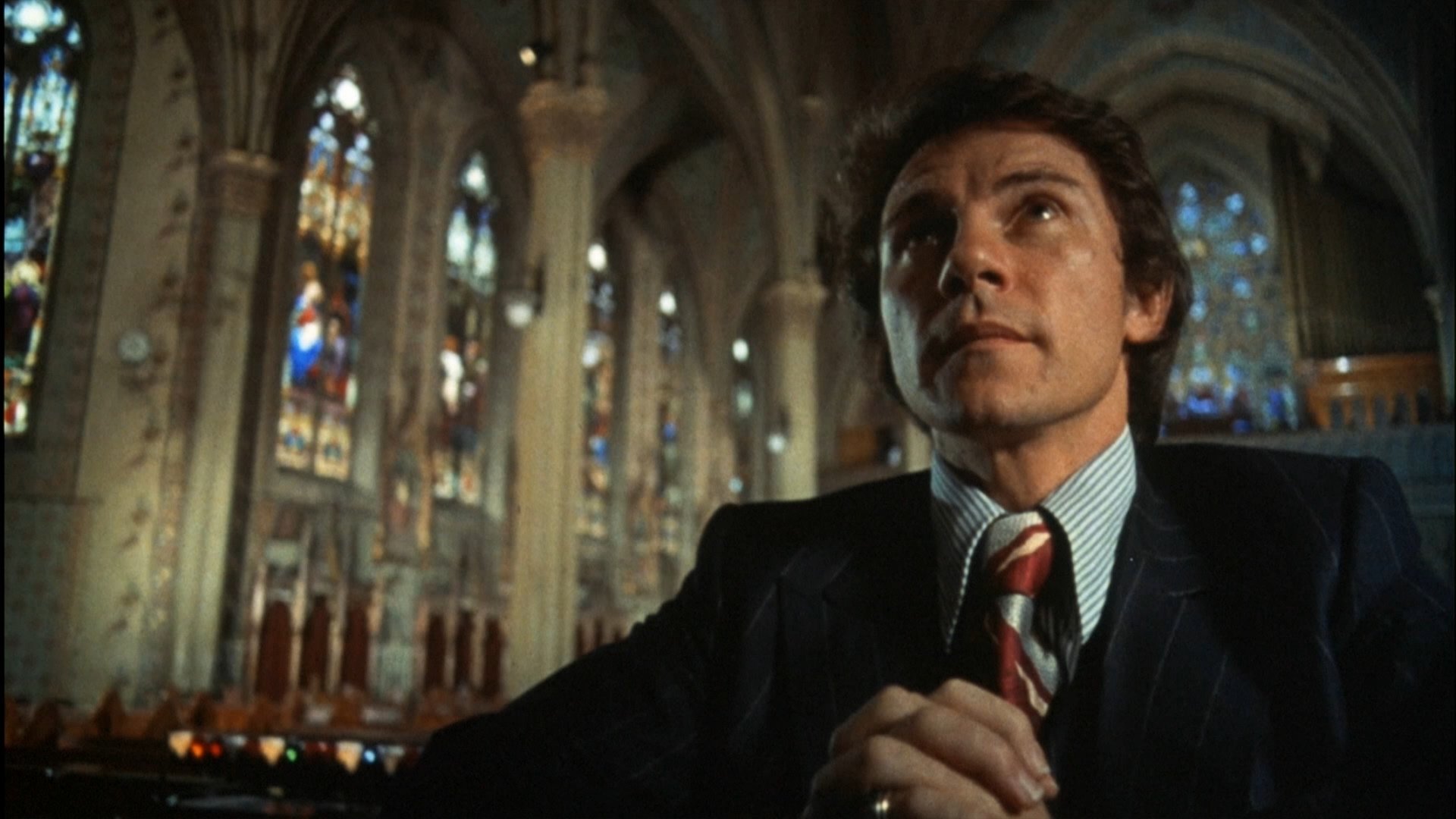
So imagine my surprise and delight when I learned that not only was The Mint Museum displaying one of his works — an extraordinary rarity, as most of his roughly 60 surviving paintings remain in basilicas, churches and international galleries — but that it was also partnering with the Independent Picture House to offer a film series inspired by his style. Chiaroscuro: Films of Light and Shadow will show Martin Scorsese’s breakthrough feature MEAN STREETS in June, Ridley Scott’s dystopian sci-fi noir BLADE RUNNER in July, and in September, David Fincher’s seminal FIGHT CLUB. Looking only at the release dates, plot summaries or even the posters, even a hardened cinephile would struggle to find a common thread. Viewed through the eyes of someone afflicted with the same fever I have, however, the shared influence becomes impossible to miss.
In his short 38 years, Michelangelo Merisi da Caravaggio rose from a practically homeless art busker to one of the most sought-after and highly paid masters of the Baroque era. Caravaggio remained largely overlooked by the art world until the early 1900s, when his rediscovery sent scholars and enthusiasts into a frenzy. The painting on display at the Mint, Boy Bitten by a Lizard, draws international crowds despite likely being sold as little more than “street art” by a penniless young Caravaggio. When comparing paintings from across his career, it is not necessarily the religious subject matter that captures your attention but rather the dramatic interplay of light and shadow.
Known as chiaroscuro, this technique often employs a limited or singular light source, allowing the artist to create harsh contrasts and deep shadows. The result is a heightened sense of volume and three-dimensionality while simultaneously directing the viewer’s eye toward specific details. The same concept translated naturally to film. It first appeared prominently in silent-era classics such as THE CABINET OF DR. CALIGARI and NOSFERATU before becoming a defining feature of film noir. From there, it evolved into color cinema, where modern directors continue to use it to immerse audiences in a character’s emotional state. Whether it is the Harvey Keitel tracking shot in MEAN STREETS, Deckard sitting alone in his apartment in BLADE RUNNER or the aftermath of Tyler Durden’s beating at the hands of a local mob boss in FIGHT CLUB, these stark contrasts instantly synchronize the viewer with the mood on screen.
While all of the films in this series are fantastic no matter where you watch them, seeing them in a darkened theater is a rare experience. It is there that the lights seem brighter, the shadows deeper and Caravaggio’s influence most vividly alive across the screen.
Additionally, if you’re looking for a visual primer on Caravaggio’s work, the excellent retelling of the novel The Talented Mr. Ripley, simply titled RIPLEY and available on Netflix, serves as a fitting introduction. The series prominently features many of the artist’s paintings while weaving in references to his violent and troubled life, all through imagery that feels deeply indebted to Caravaggio’s mastery of light and shadow.
So this summer, check out The Mint, then head over to IPH, turn your phone off and enjoy a nice beverage during a series that invites you to see how the timeless style of a once-forgotten master can play out beautifully on the big screen.