
By Courtney McCullers
Pop culture runs on borrowed language. Words like “shade” and “read” show up across social media, on reality television, and in everyday conversation, yet most people use them without knowing where they came from.
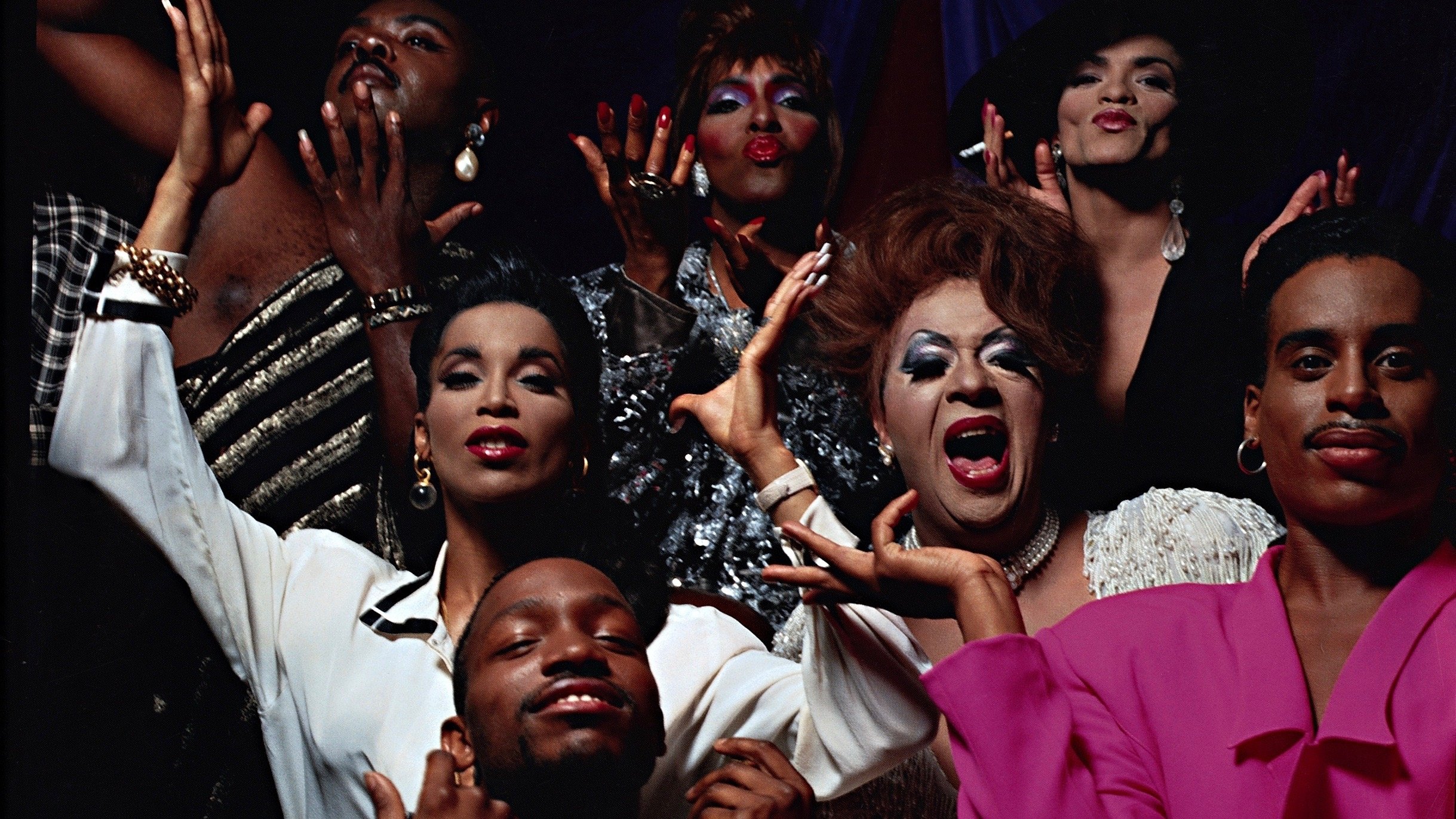
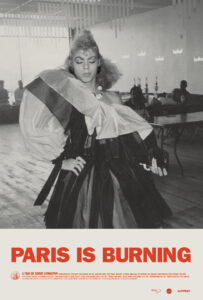 Jennie Livingston’s 1990 documentary, PARIS IS BURNING put New York’s ballroom scene and its language on a world stage. The documentary follows the queer people of color who built a subculture of competition, performance and chosen family. Ballroom houses gave their members a purpose and a place to belong in a hostile society. Once the film hit theaters, their language spread beyond Harlem.
Inspired by ballroom culture, Madonna turned “Vogue” into a chart-topping hit. Decades later, Pose brought ballrooms to primetime television. RuPaul’s Drag Race built an entire franchise around reading, shade and performing as competitive sport.
That exposure came at a cost. Scholar bell hooks wrote one of the most widely read critiques of the film, arguing that it turned a culture into a spectacle. She noted that the ball scenes idolized white femininity.
With a white filmmaker behind the camera, an important question follows the film: Who is doing the looking, and who is being looked at?
Money complicated the film’s legacy further. Several of its stars later sought to sue Livingston, claiming they had been unfairly cut out of the profits from a film that made their voices and style famous. The claims went nowhere because the performers had signed standard release forms early on, long before anyone knew how big the film would become. Livingston eventually split $55,000 among 13 performers based on their screen time.
For some at the center of the film, that payout felt small measured against what the film went on to earn. One star describes feeling promised the world, then watching the film succeed while her own life stayed the same.
The film carried the style, joy and language of a subculture into the mainstream. It also failed some of the people who made it possible.
Both things are true. PARIS IS BURNING gave a generation new language, opened doors for shows like Pose and celebrated queer people of color striving for greatness. Its flaws are worth reckoning with, but they are not a reason to look away.
IPH will celebrate LGBT History Month with a screening of PARIS IS BURNING on Friday, Oct. 9. A post-film discussion with Charlotte Pride, Invisible Histories and The Mimosa Way will explore ball culture and the intersection of race and sexuality.