
By Claire Lechtenberg
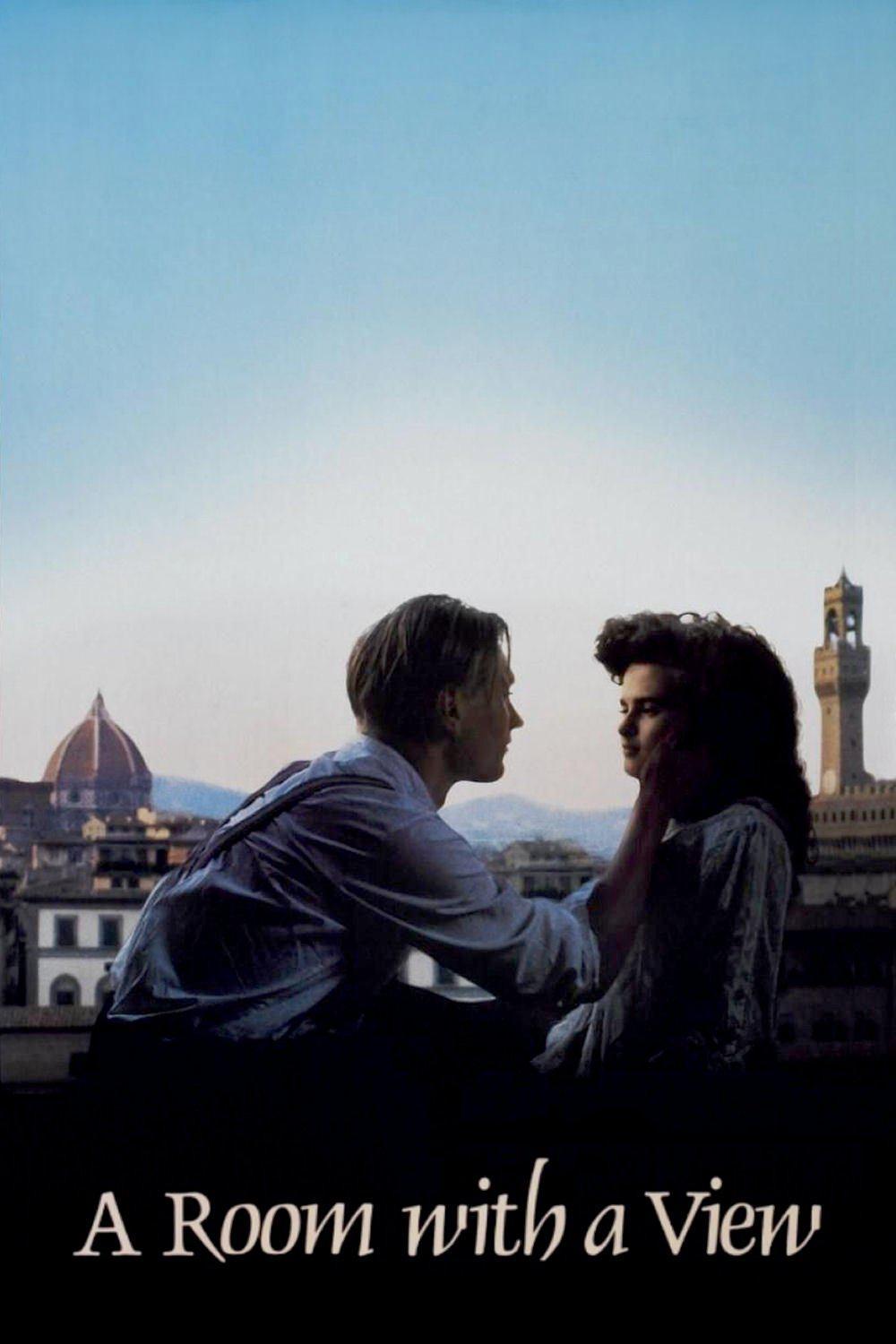
In March 2012, I was preparing to go to Florence, Italy, as part of my college tour circuit. I had been accepted into the Freshman Florence Experience program at Marist College, and I was itching to get out of my hometown as soon as possible. Along with packing boots and rain jackets for the Italian rainy season, my father made sure I included a viewing of A Room With a View (1985) as a way to “see Florence” before we got there.
“It’s the best way to see Florence … without going, of course,” my father said. And as a lover of a good period piece, I made sure to queue it up well before our travels began.
He was right, as he usually is: James Ivory’s adaptation of E.M. Forster’s classic novel is ideal for those going to Italy — or those who have a travel bug they need to treat without the cost of a plane ticket. Along with picturesque views of Tuscany and even the southeast of England, the film fills you with an urgency to live more, whatever that may mean to you.
As the movie begins, you’re greeted by title cards like Italian frescoes while “O Mio Babbino Caro” serenades the ear, welcoming you to a time and social class where a room without a view is a pretty big deal — such a big deal that it opens the film.
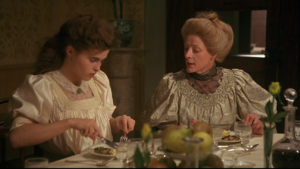
“This is not at all what we were led to expect,” sighs Dame Maggie Smith, disappointedly staring past a young Helena Bonham Carter’s shoulder.
And in a way, the film is not at all what one might expect of an Edwardian romance. Yes, it includes yearning men and discussions of societal conventions, but it also features violence in an Italian plaza and nude frolicking in the English forest (oh my heavens!).
Today, Forster’s story feels simple: At its center is a girl who isn’t quite sure how to live, torn between a snarky elitist (Daniel Day-Lewis) and a brooding man reeking of new money (Julian Sands). By the end, she has learned to love, lose, and find a damn good view. Yet Ivory’s direction allowed the 1985 film (released in the United States in 1986) to withstand the times. The film won three Academy Awards — best adapted screenplay, best costume design, and best art direction — and garnered nominations for best supporting actor (Denholm Elliott as Mr. Emerson), best supporting actress (Smith), best director, best cinematography, and best picture.
See what this view is all about, and enjoy a film that marks the heyday of Merchant Ivory Productions.