
By Courtney McCullers
Pariah opens with a line that stays with you. Audre Lorde wrote: “Wherever the bird with no feet flew, she found trees with no limbs.” Fifteen years ago, writer and director Dee Rees brought that image to the screen, and the film is still one of the most honest portrayals of being young, Black, queer, and searching for where you belong.
The Audre Lorde quote is an image of impossible circumstances, of searching for refuge in a world that offers none. That’s where we meet protagonist Alike, a seventeen-year-old Black girl navigating her sexuality, her family, and a world that doesn’t always make space for her. Alike spends the film in motion, searching for belonging and facing rejection, isolation, and the particular pain of not being seen by the people who are supposed to love you. Alike is that bird, and her environment offers her no place to rest.
What makes Pariah powerful is how it shows us different women, different ways of moving through the world, and different forms of courage and vulnerability. Each navigates their own relationship to Black femininity and queerness. There’s no single way to be gay, no blueprint for how to express yourself.
This film is about enduring the process of becoming, about flight with nowhere to land, and ultimately about the strength it takes to keep moving forward. The emotions are raw and real, but Rees never tips into melodrama. She trusts the viewer to feel the weight of the story.
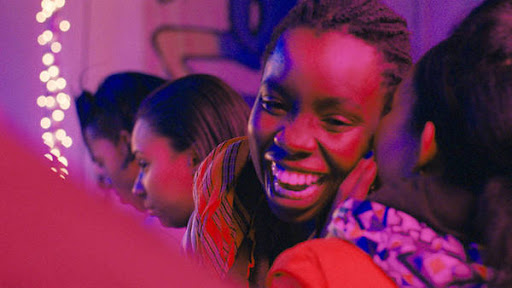
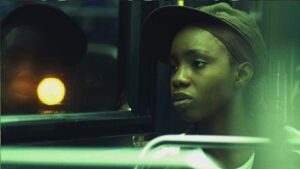
Part of what makes the film feel so intimate is how Rees and cinematographer Bradford Young, whose work won the Excellence in Cinematography Award at the 2011 Sundance Film Festival, use the camera to show us Alike’s interior life. Young and Rees used color and camera language expressively to represent and reveal her states throughout the film. They used purples in the clubs where Alike feels free, and greens and pinks in places where she has to hide. We tend to see Alike in profile early in the film, when she conceals part of herself, while bolder, more open characters are seen in frontal, low-angle shots.
Young’s work in this film established him as a noteworthy cinematographer and an important voice in the ongoing conversation about how to light and frame people of color on screen, and you can see that attention and care in every frame. This film was meant for viewing in a cinema.
In 2022, Pariah was selected for the National Film Registry by the Library of Congress as “culturally, historically, or aesthetically significant.” It was the first narrative feature from the 2010s to be chosen. Along with Moonlight and Saturday Church, Pariah is one of the few feature films that centers the Black queer coming-of-age experience. Fifteen years later, during Women’s History Month, we remember this pioneering film and the visionary who made it. Come see it at IPH this March, on the screen it was made for, in a room with other people who understand why stories like this matter.