
By Madison Boone
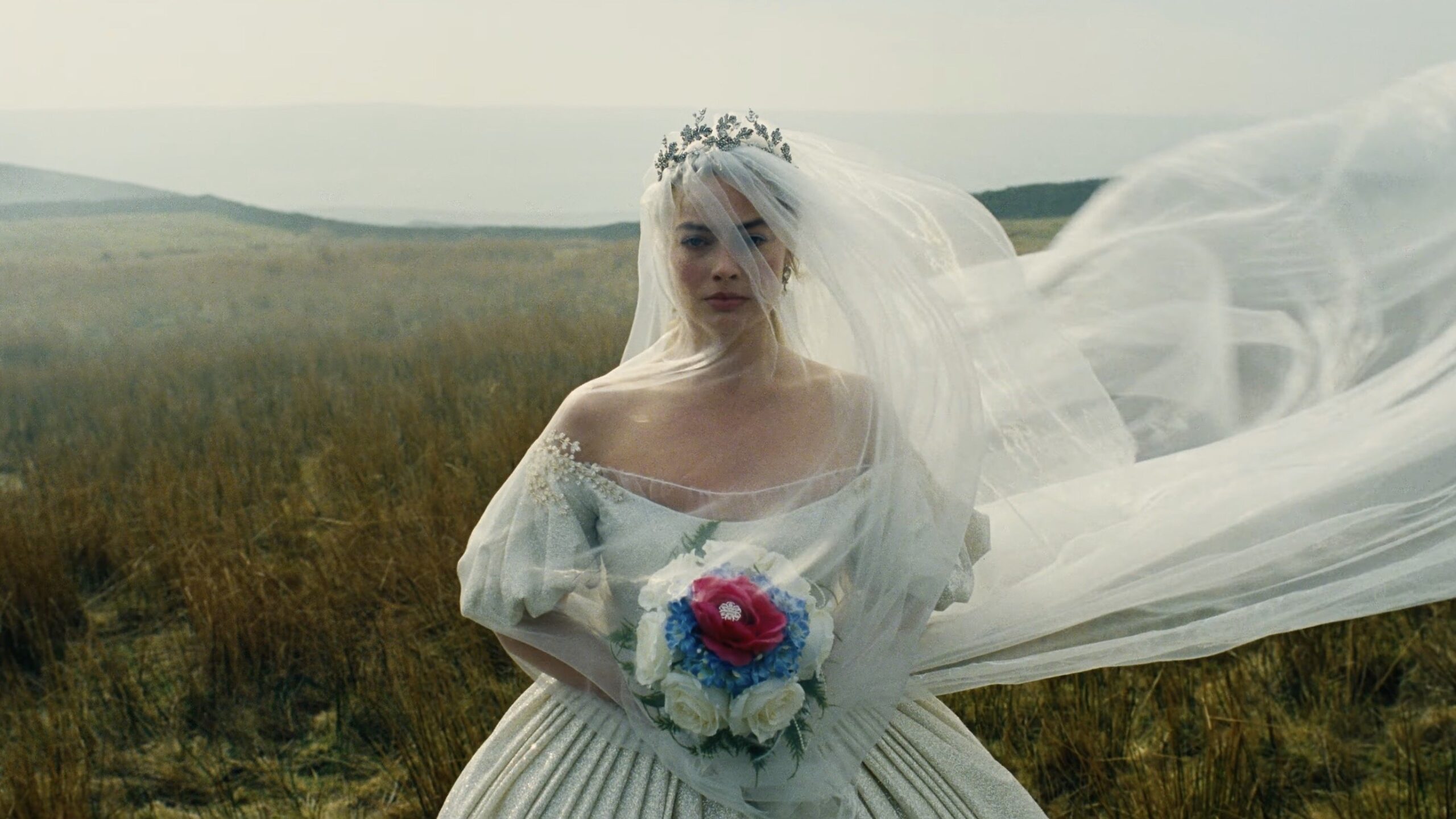
A film promoted as a sensual and passionate example of love, “WUTHERING HEIGHTS” (2026), directed by Emerald Fennell, is set for release just in time for Valentine’s Day. The film stars Margot Robbie as Catherine Earnshaw and Jacob Elordi as Heathcliff and adapts Emily Brontë’s novel Wuthering Heights.
Since its announcement, the project has been met with skepticism, with some questioning its faithfulness to the source material. While this is far from the first adaptation of the famous novel, Fennell’s version appears to take a distinctly modern and looser interpretation. Early marketing efforts included billboards across major cities such as London, Los Angeles and New York City, featuring sensual images of faceless characters alongside phrases like “drive me mad” and “come undone.” These teasers were followed by the release of the cast list and a trailer offering more insight into the film’s direction.
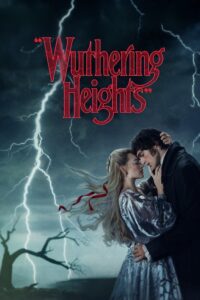 When the cast was revealed, some were dissatisfied with the casting of Heathcliff. In the novel, Heathcliff is described as a “dark-skinned gypsy,” a characterization that differs significantly from Elordi’s appearance. This departure from the text is not new; many previous adaptions have similarly altered Heathcliff’s physical description.
Several earlier film adaptations of Wuthering Heights have taken varied approaches to this classic. Here they are listed by director and date of release:
- William Wyler (1939): The film, starring preeminent British actor Laurence Olivier as Heathcliff, focuses on the love story of Catherine and Heathcliff, which covers the novel’s first half. The film won eight Academy Awards, including best picture.
- Robert Fuest (1970): This version received mixed reviews, particularly compared to the 1939 version, and covers only the first 16 chapters of the novel.
- Peter Kosminsky (1992): This one notably explores the novel’s second half — the next generation — which earlier adaptions largely ignored. But critics complained about its rushed pacing.
- Andrea Arnold (2011): The most recent adaptation, which critics described as a bold reimagining, omits the novel’s second part entirely.
Based on the trailer, Fennell’s film also appears to center on the intense and forbidden romance between Catherine and Heathcliff. While this relationship is a crucial element of the novel, it also grapples with themes of class conflict and revenge. Whether these elements will be explored in the film remains unclear.
Fennell’s interpretation takes this romance to a more modern register. The costuming, the character dynamic and score set the film apart from its predecessors. The soundtrack is entirely original and composed by Charli XCX, a pop singer known for her upbeat club anthems. Incorporating contemporary pop music into a story set in the late 18th century is bold and engaging. It is also a brilliant marketing move. A current pop icon may help draw new audiences to a classic literary adaptation.
In a recent interview, Fennell said the film reflects how the novel made her feel when she read it for the first time. She emphasized the quotation marks in the title to signal that this is her personal interpretation rather than a completely accurate adaption. She describes the film as an “emotional response” to the novel, calling it “primal, sexual.” Fennell says she was “driven mad” by the book and compelled to create this film.
The film is poised to take a life of its own, transforming a beloved novel with a long history of adaptations into something fresh and unlike anything before. Opening day can’t come soon enough to dive into the world of Catherine and Heathcliff through the eyes of Emerald Fennell.
Join us on Saturday, February 14, after the 2:50 pm screening for a post-film discussion with panelists.